Nigeria’s Displaced Communities Risk Being Shut Out of Elections
Across northern Nigeria, millions of internally displaced people, uprooted by Boko Haram in the North East and by rural terrorism in the North West and North Central, are being locked out of the 2027 elections, not by law, but by logistics, neglect, and a registration system that repeatedly fails to reach them.
Listen to this story
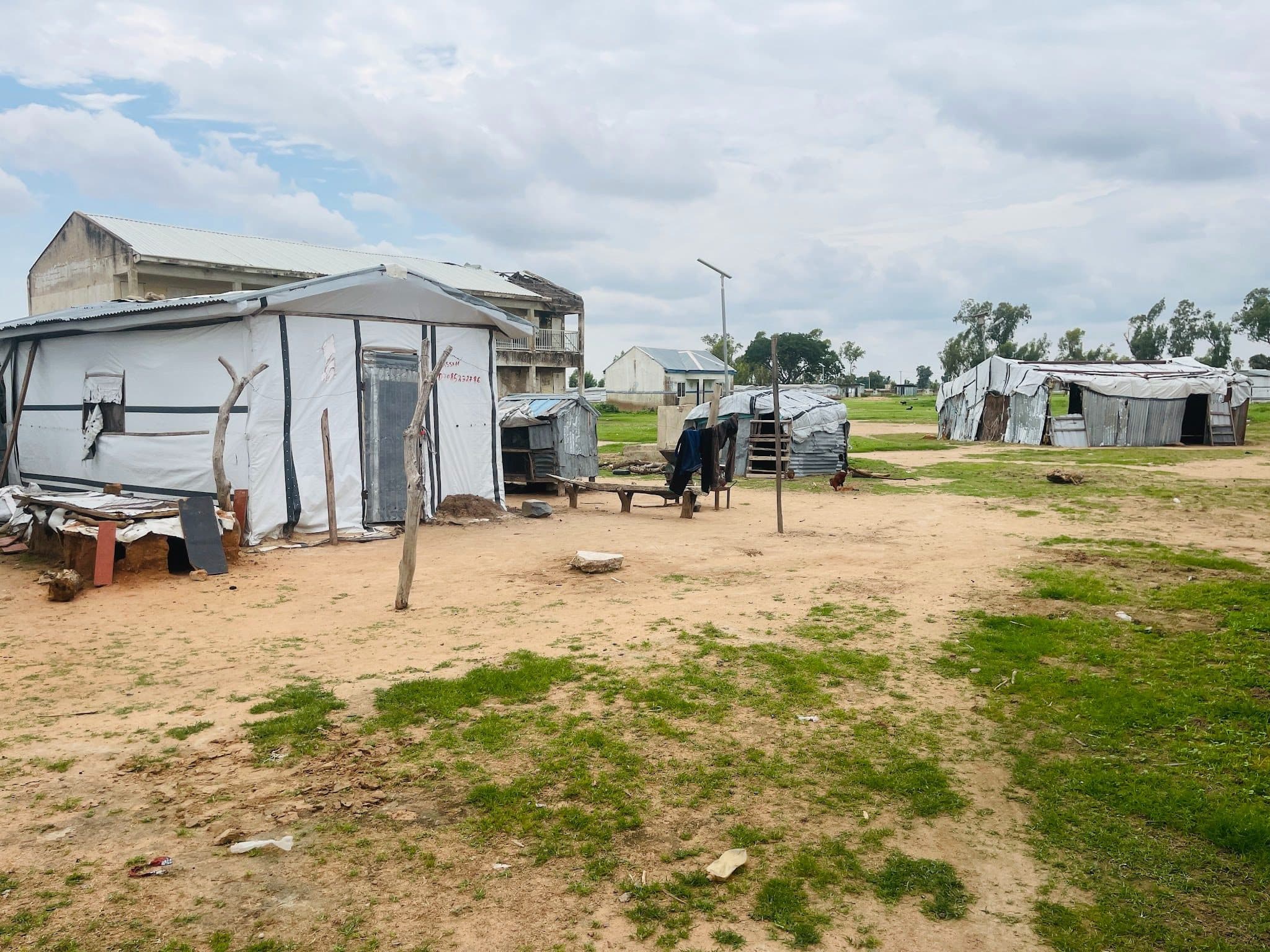


Twenty-year-old Ahmadu Adamu has waited four years to vote. He still cannot. He lives in Malkhohi displacement camp in Yola South, Adamawa State, in northeastern Nigeria, where he has spent nearly half of his life after fleeing his home in Madagali, a local government bordering Borno State and Cameroon, in 2015 at the age of 10.
In that time, he has never seen an election campaign up close, only heard others describe them. When officials from the Independent National Electoral Commission (INEC) visited the camp in 2022, he was 17, too young to register to participate in the 2023 elections. Earlier this year, they came back for a pre-registration exercise, took his details, and promised he would soon receive his Permanent Voter’s Card. They never returned to finish the process. All Ahmadu has to show for it is a slip of paper marked “submitted: under review”.
“I want to vote, but I have no means to do so. I think it’s from the leaders at the top. If they really want us to vote, they will make an effort to see that we vote, so they should come to our aid,” Ahmadu said.
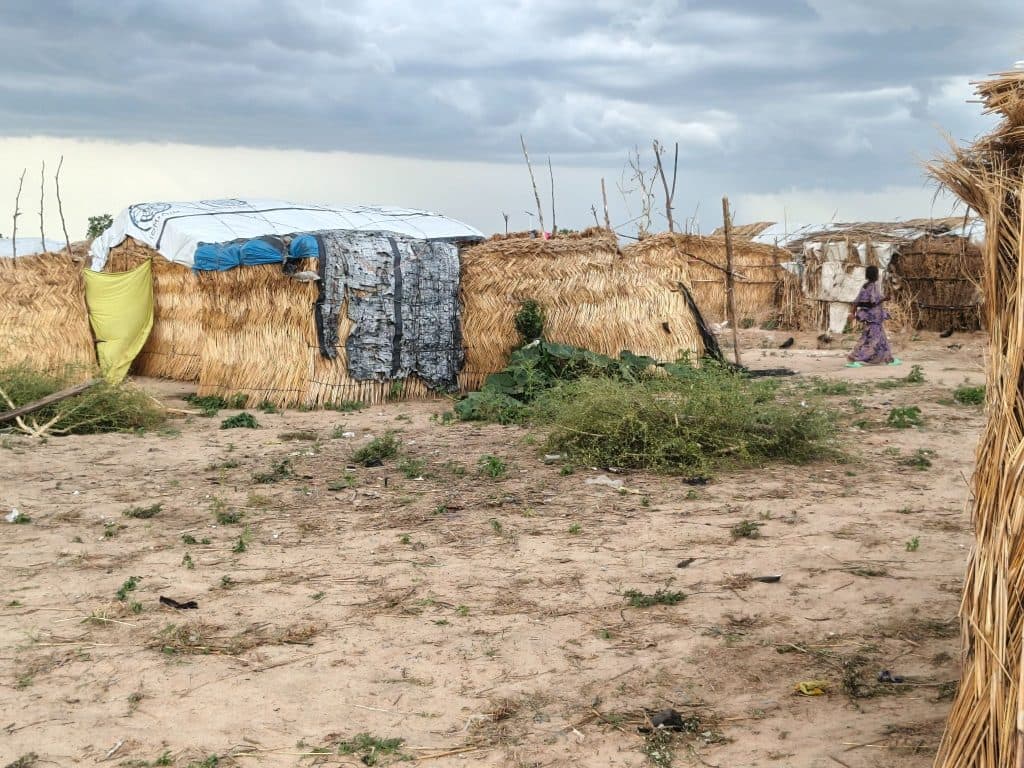
His plight is similar to that of many others living in the camp. Home to roughly 400 people, mostly women and children displaced from Borno and parts of Adamawa State, the Malkhohi Camp has produced a generation of young people who came of age in displacement, only to find that adulthood does not come with the rights it should.
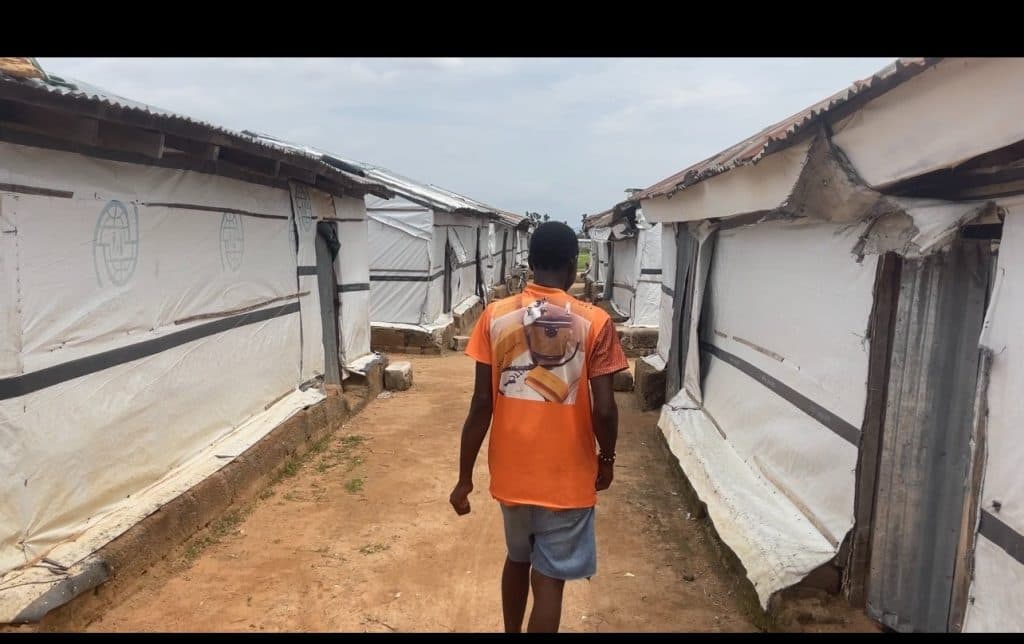
Across Nigeria, millions of internally displaced persons, uprooted by the Boko Haram insurgency in the North East and terrorism in the North West and North Central regions, are being locked out of the forthcoming 2027 elections, not by law, but by logistics, neglect, and a registration system that repeatedly fails to reach them. In camps across affected regions, HumAngle found the same pattern: officials who promise to return and don’t, voters’ cards lost or destroyed in flight, and a growing number of displaced residents who have simply stopped believing their vote will count.
Twenty-one-year-old Mohammed Abdullahi arrived at the camp in 2015, aged 11, with his mother and hundreds of others fleeing Gwoza in Borno State. Mohammed appears to be shy; he chooses his words carefully. While he still finds reintegration into the host community difficult, he spends his days inside the camp managing a small provision store he opened a few years ago after saving up money from various jobs.
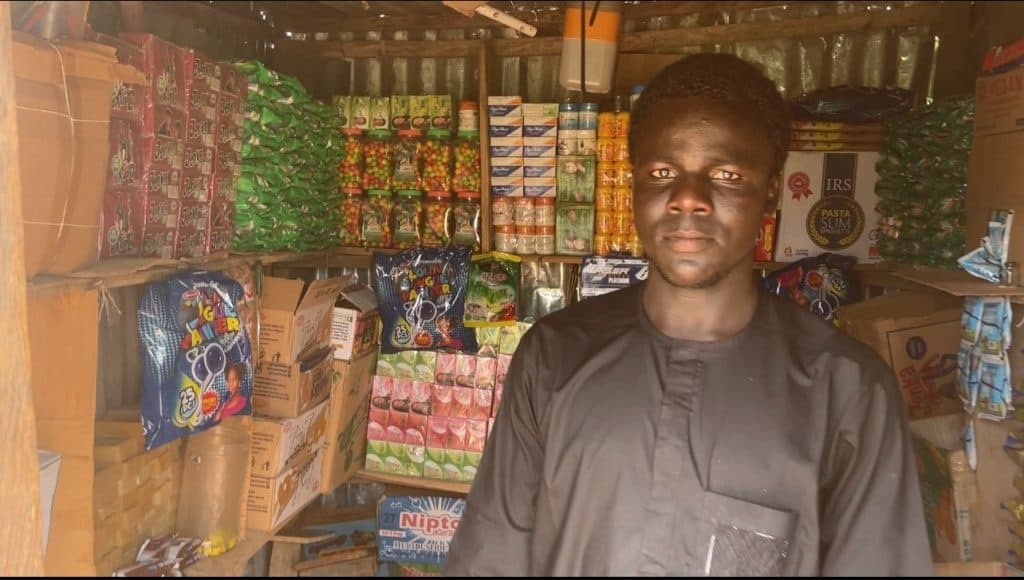
“The INEC officials came here before the last general elections and registered people, but I couldn’t register because I wasn’t up to 18 years,” he said. He believes that casting a ballot would give him something displacement has taken away: a sense of belonging, both in the host community and in the country at large. Like Ahmadu, he is still waiting for officials to return before the registration window closes.
INEC extended the voter registration exercise nationwide from July 10 to 26. Mohammed Haruna, the commission’s National Commissioner and Chairperson of the Information and Voter Education Committee, said the extension would give eligible but unregistered citizens a final opportunity, as well as a new self-service online option for first-time voters. But in a camp where smartphones and internet access remain rare, that solution reaches almost no one.
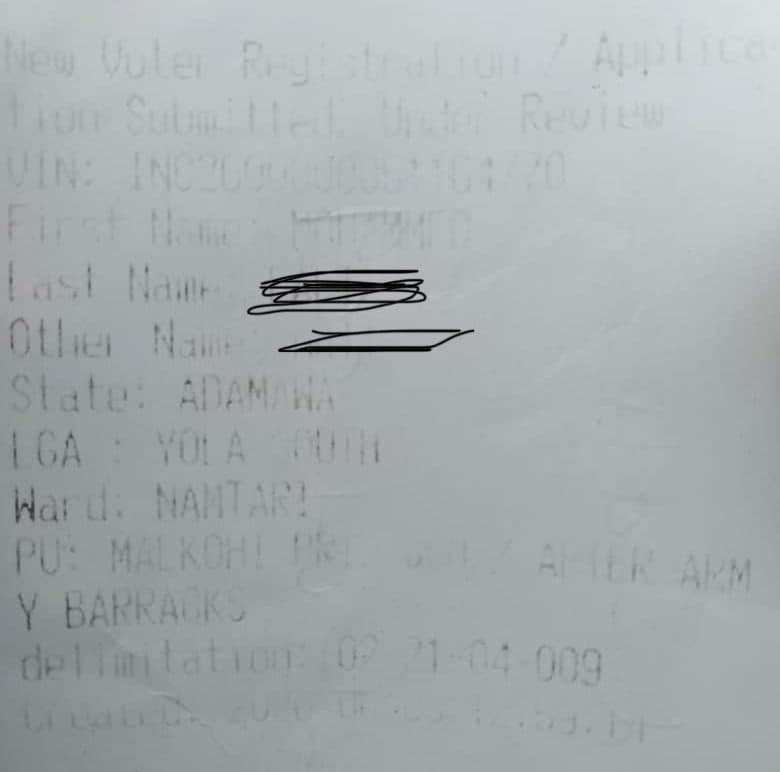
Buba Ware, the chairperson of the Malkhohi IDP Camp, told HumAngle that more than 20 first-time voters in Malkhohi risk missing the 2027 elections entirely because officials never returned to register them, as promised. Also, due to little or no knowledge of registration and electoral processes, the displaced persons don’t know the specific medium or office to go to for registration.
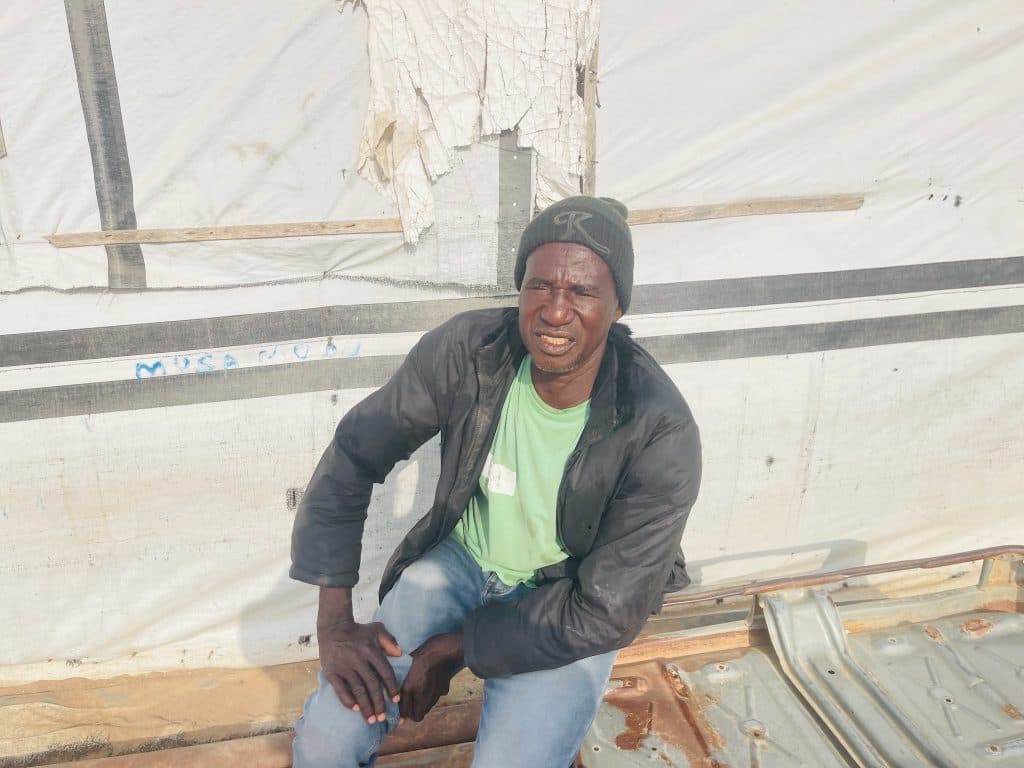
This is not the first time the process has failed them. INEC’s first visit to Malkhohi, in 2022, came only after residents complained about being excluded from the 2019 elections. Some voters were registered, and those already holding Permanent Voter Cards (PVCs) had their polling units transferred from Borno to the host community. But the visit was brief, and many couldn’t register or resolve their card issues.
“Not everyone was able to register. Some were transferred, and I personally could not register,” Buba said, recalling how officials cited a “network glitch” before leaving. “So we just went to our farms.”
Despite the setbacks, those who did manage to register or transfer their cards voted in 2023. Now, Buba fears that only that same small group, if anyone, will vote in 2027.
‘Our votes don’t matter?’
Buba was not surprised that INEC failed to return this year to complete the registrations. “Maybe because our votes don’t matter,” he said, describing a camp worn down by neglect into quiet resistance towards the entire electoral process. HumAngle reported in January that humanitarian aid to Malkhohi has been drying up, deepening the sense of abandonment.
Salamatu Ibrahim, one of many displaced women in the camp, says she will not vote in 2027, but for a more practical reason: she has no PVC. She arrived at Malkhohi in 2023, after the last elections, and has been waiting ever since for officials to return so she can register. “Since people are voting, I would also like to vote,” the 35-year-old said.
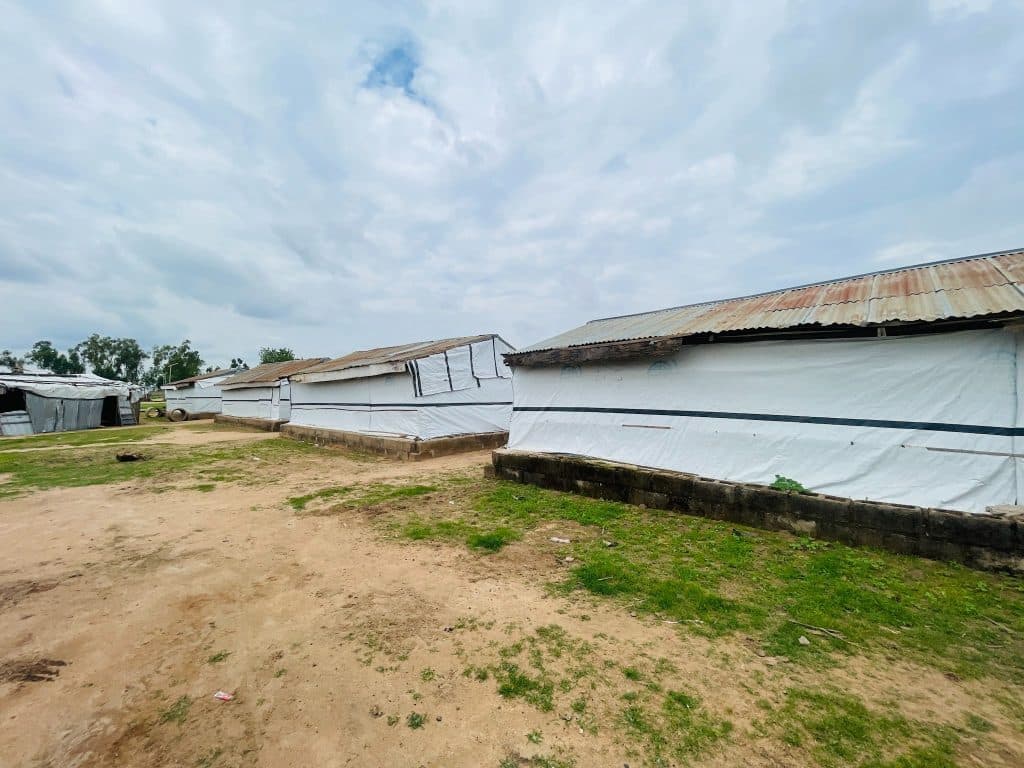
“If someone is enlightened about something, they will definitely do that, but if the person is not enlightened, they won’t do it,” she stated, noting that no awareness campaign has ever reached the camp regarding the forthcoming elections.
Salamatu said it was different back in Gwoza, where she lived before Boko Haram’s repeated attacks forced her out. There, voter sensitisation drives were common, and registration was carried out ward by ward. Since arriving at Malkhohi, she has become largely confined to camp life and has little idea where the nearest INEC office even is.
Back in Gwoza, where she lived with her husband and children, Salamatu said voter sensitisation exercises were held, and registration was carried out across all wards at the local INEC office in the region, but since she moved to the Malkhohi camp in 2023 due to Boko Haram’s recurring attacks in her area, she has become confined to the camp and barely knows any INEC office in Adamawa.
Fifty-year-old Aisha Ali had better luck in 2022, when officials transferred her polling unit from Gwoza to Malkhohi and issued her a new card. She voted in the last general election. This time, she has decided not to. “We feel excluded from any election activities or campaigns. Even the aspirants don’t show up here. They just go into the towns to campaign and drive past us, so why should we vote?” Aisha stated.
While older men and women have shown apathy, Ahmadu said the camp’s young, first-time voters remain eager to participate in the forthcoming elections.
Displaced, disenfranchised, and broken
Several kilometres away, in Katsina State, in the country’s North West, Usman Lawal’s relationship with politics tells a different kind of story, one of loss rather than exclusion by neglect. Usman, almost in his sixties, still remembers his active political participation, especially as a polling unit agent for a political party in his Tantagarya community in the Jibia area of Katsina.
From 2003 to 2015, he did more than vote. He mobilised his neighbours, guided them through the process, and stood watch over the ballots until they were counted, determined that his party would not be short-changed.
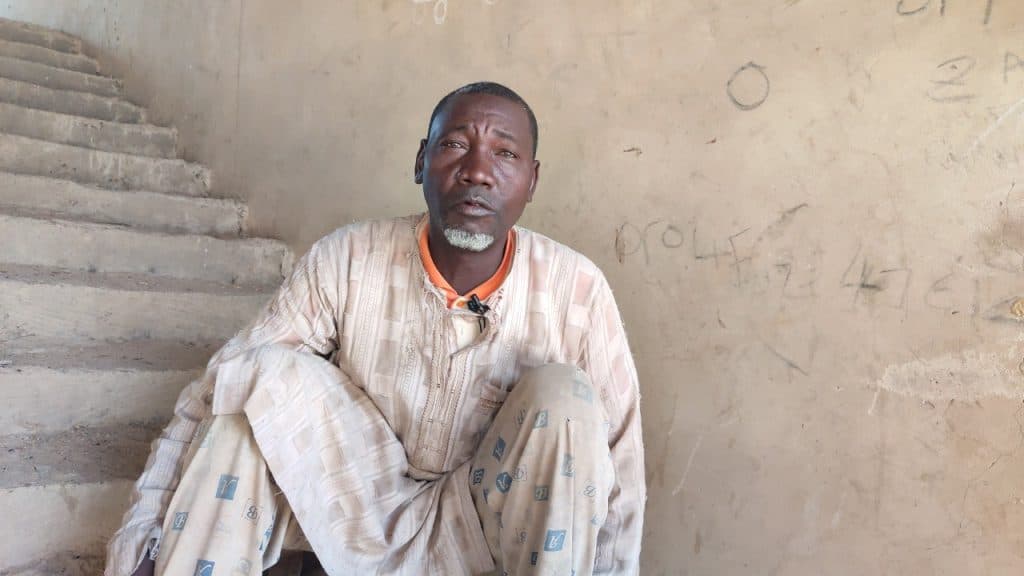
That life belongs to another era now. Usman, his three wives, and his 13 children live among fellow displaced persons in an unfinished shopping complex in the heart of Katsina city, stripped of the standing he once held as a community mobiliser in Tantagarya and the neighbouring village of Walawa.
The rupture came in 2022, on the eve of Nigeria’s political party primaries, when terrorists on motorcycles stormed Tantagarya one Thursday morning while half of the village’s men were out working on their farms. The gunshots, Usman recalls, were intense. As the farmers scampered for safety, several of them were killed.
“My junior brother, Tasiu Lawal, hid behind a tree during the attack, but the bullets got him,” Usman said. Tasiu was shot in the stomach; two other bullets pierced through his elbow and leg. He died two days later in a Katsina hospital. Usman carried his brother’s body back to Tantagarya for burial, only for the attackers to return the following week and kill two community leaders. He did not wait for a third assault. He left with his family and dozens of others, even as the violence continued behind them.
Usman’s account echoes across northwestern Nigeria, where terrorists have attacked communities, schools, farmlands, highways, and places of worship since at least 2013. The toll, in deaths, abductions, injuries, and displacement, has continued to climb, largely unmoved by either military or non-military responses. Cities like Katsina keep absorbing the displaced, along with their stories of loss and uncertainty.
Amid that upheaval, participation in elections has become close to impossible for many. Some lost their voter’s cards while fleeing. Others still have theirs but can no longer safely reach the communities where they are registered to vote.
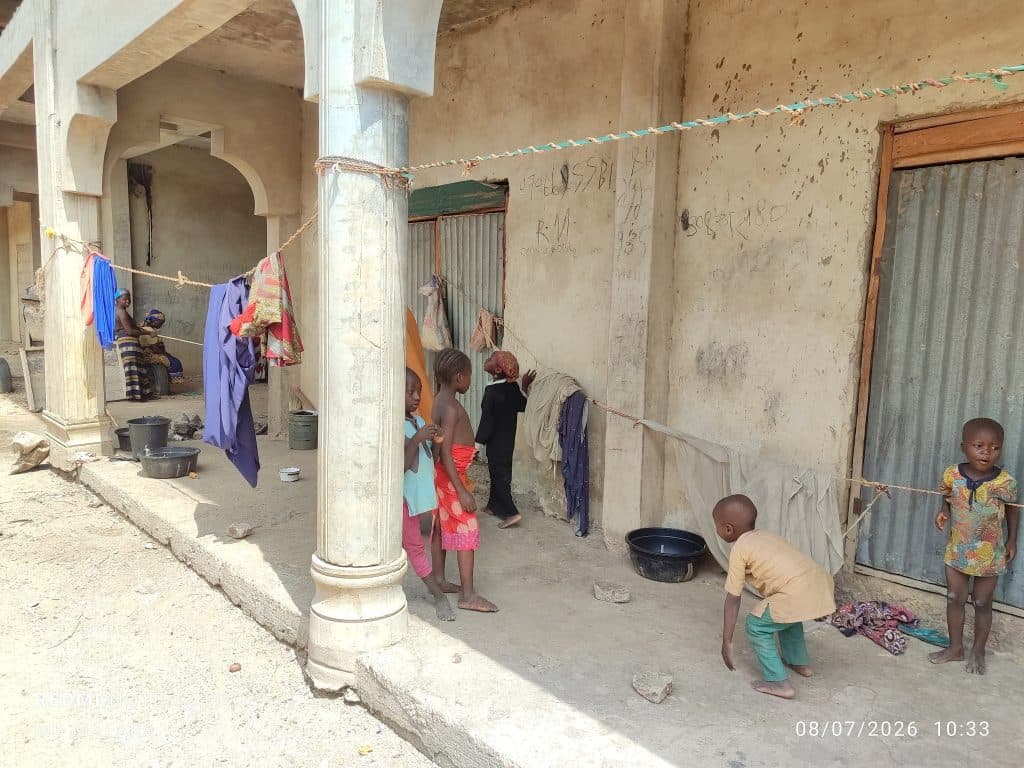
Despite his fondness for politics, Usman says he couldn’t risk his life to vote during the 2023 general election. “I was very angry; we had hopes in the build-up to the elections, but the terrorists had their plans,” he said. Missing his party’s primaries was painful enough. Missing the general election, he says, was worse. “I had no options because on the day of the election (presidential and national assembly) I had no penny to give to my family, not to talk of taking a commercial vehicle to go and cast my vote, so I stayed.”
When Usman fled Tantagarya, he was the only member of his household to have saved his Permanent Voter’s Card, kept, as always, in his pocket alongside his national identity card and an expired bank card. His three wives left theirs behind, buried among household utensils they had no time to gather, as they ran for their lives.
Thirty-year-old Nafisa, from Walawa, once carried real influence in her community. As a women’s leader, she ran orientation campaigns on voting, school enrolment, and other civic issues, and later took charge of the school feeding programme across both Tantagarya and Walawa. Her standing was such that women sought her counsel on whom to vote. Now, she has no voter’s card of her own. “It’s ironic that I don’t have a permanent voter’s card now,” she said, smiling in a way that belies her circumstances.
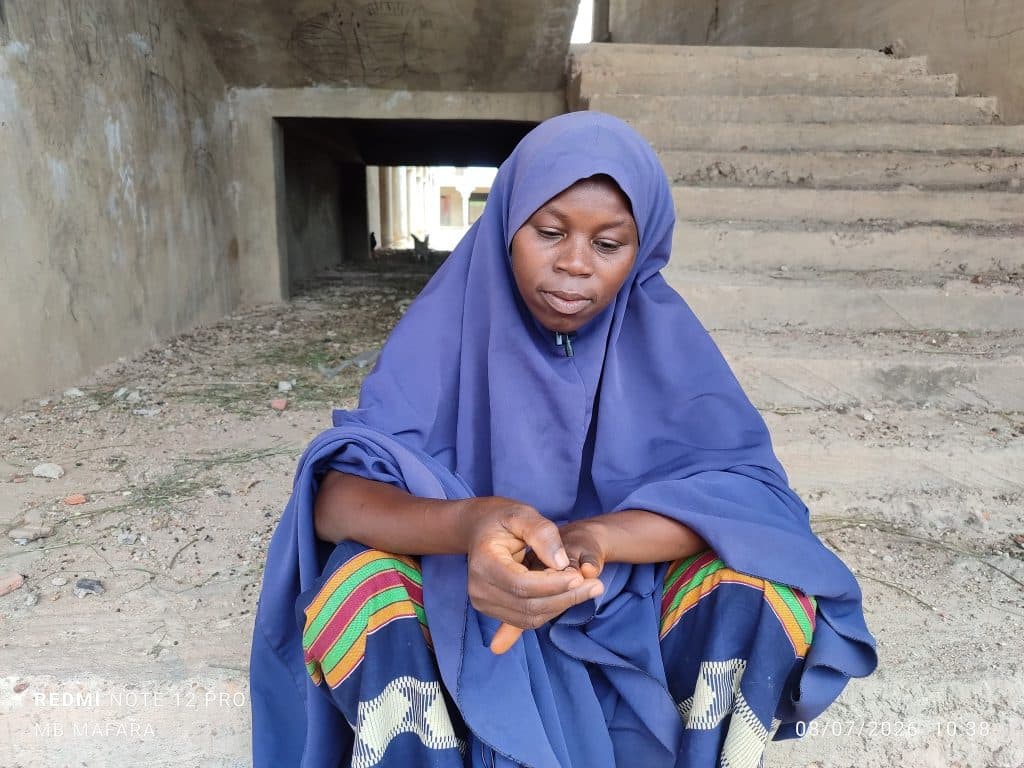
Four years as a displaced person in Katsina have worn Nafisa down in ways she is still reckoning with, and her inability to vote sits among the injuries that sting most. When a relative later checked her old home in Walawa, they found some of what she had left behind, including her voter’s card, damaged beyond use.
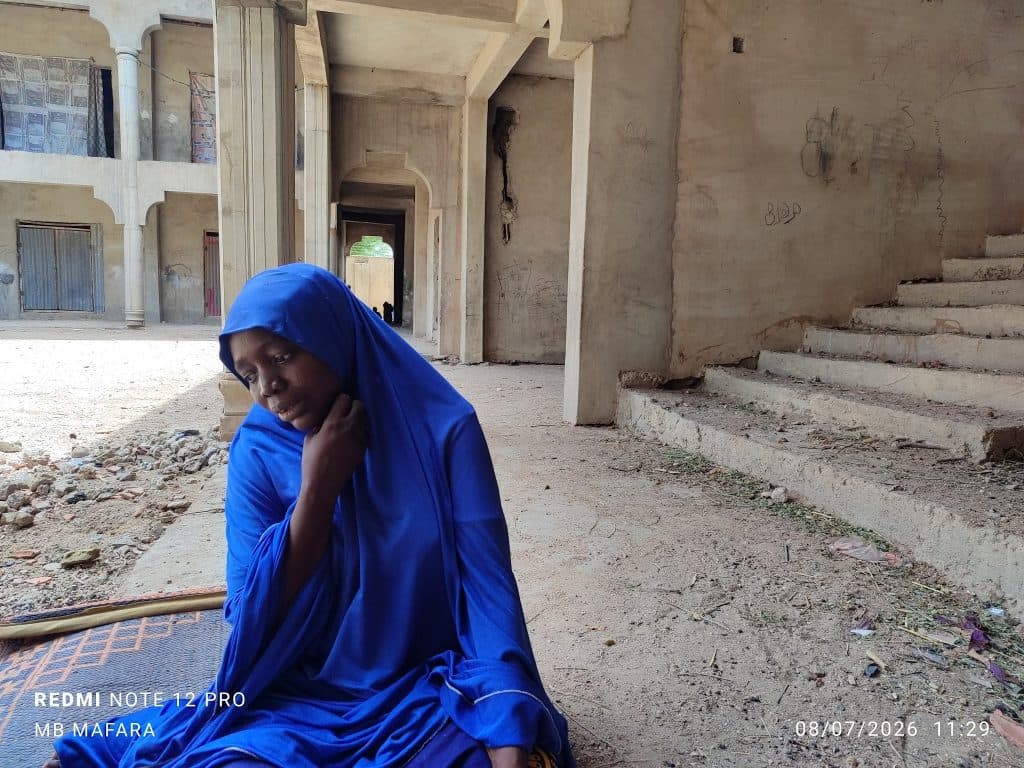
Displaced people interviewed by HumAngle in Katsina said no INEC official had approached them to explain the importance of voting or how to register for a replacement card. Only one woman recalled being approached at all, and even she never received her PVC. “One person came here in a car and said he was from INEC,” 35-year-old Hajara Sulaiman said “He said we could still register and get our card so we could vote. We went to their office several times, but we still couldn’t get it.”
Hajara made the trip three times, each time met with queues she found unbearable. She has come to believe the system is built to wear people down until they give up. For a woman practised in endurance, staying in line for hours might once have been manageable, but she also had to feed herself and her three children, and that took priority.
Four years ago, her husband was killed in a terror attack that shocked the Baure community in the Batsari area of Katsina State. She was one month pregnant with her first child but trekked for about six kilometres to Safana-Batsari, where she got a vehicle to Batsari town. When she reached Katsina town, Hajara couldn’t stay alone because she had no one to stay with. She squatted with Usman Lawal’s family for nearly a year before marrying another displaced man.
Returning home to vote: is it worth it?
In Borno State, however, registration is only part of the challenge. HumAngle found that some displaced people already possess valid Permanent Voter Cards but continue to travel back to their local government areas to vote, often through insecure roads and at considerable personal expense. Others say repeated disappointments, intimidation at polling units and unfulfilled campaign promises have gradually eroded their faith in elections.
Fifty-two-year-old Gadaw Kamsulum has lived in displacement for a decade. He fled Gulumba district in Bama LGA in 2015 when Boko Haram overran his community. Since then, he has lived with relatives in Goni Kachallari, spent four years at the Gidan Taki displacement camp, and has now lived in Shuwari, a displacement community about 20 minutes from Maiduguri, for another four years.
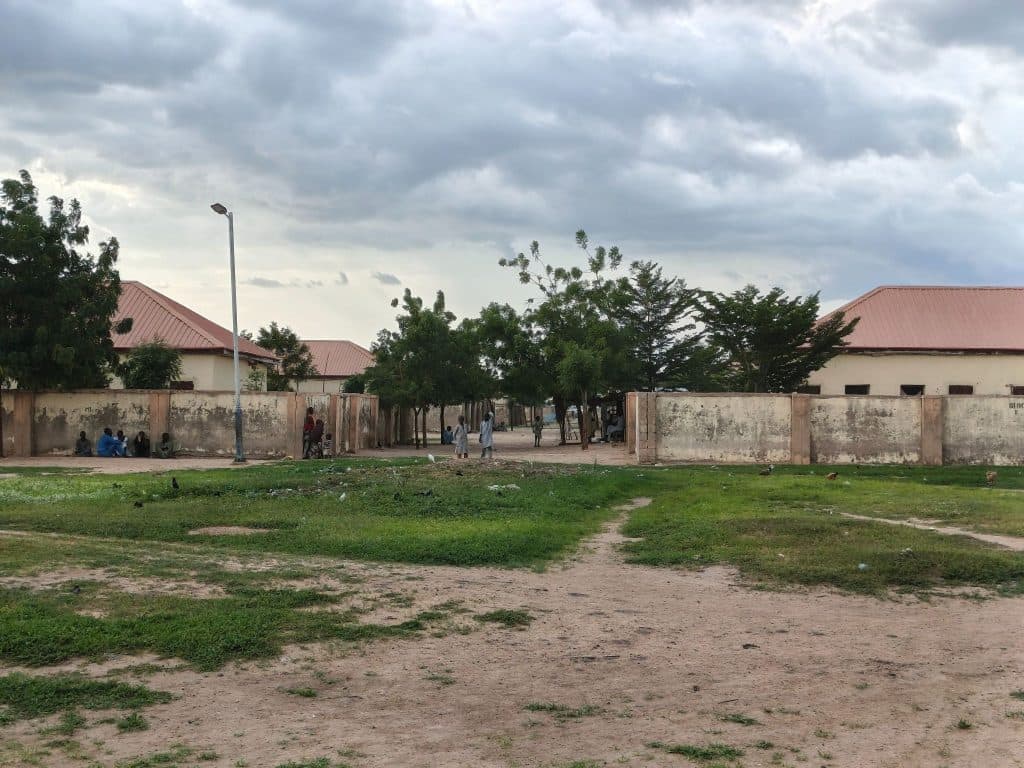
Yet despite all those movements, one thing has never changed: where he votes.
His polling unit remains in Gulumba/Waloji Ward in Bama, meaning every election requires a journey back to the local government he fled years ago. “We went by car,” Gadaw said while recalling the 2023 general election. “Some of us paid the transport ourselves, while others went in government vehicles.”
His decision to avoid the official transport stems from memories of the 2019 election. “The government vehicle is too congested,” he said. “During the 2019 election, many people were transported in industrial trucks, and many got injured.”
Instead, he travelled in his brother’s vehicle after contributing to the fuel costs. He spent three days in Bama before returning to Maiduguri.
Although Gadaw recently renewed his voter registration and is waiting to collect his new Permanent Voter Card, he has begun questioning whether making that journey still makes sense.
“Your power as a poor man lies in your voter’s card,” he said. “However, nothing has changed since we have been voting. In fact, things have been deteriorating.”
Gadaw says politicians routinely visit displaced communities before elections, making promises about security, development, and support, only to disappear once elected. “They would only return during the next election,” he said.
For Gadaw, voting has always been tied to one hope above every other: returning home.
Until terrorists forced him from Gulumba, he cultivated enough land to harvest more than 80 bags of grain during poor farming seasons. Around Maiduguri, he says, limited access to farmland and equipment means he is fortunate to harvest even four bags in a good year.
“I would spend my own money to vote if candidates truly fulfilled their promises,” he said. “I only want someone who will tackle insecurity so we can return to our villages.”
Even the act of voting itself, he says, has become uncomfortable.
Gadaw has considered transferring his polling unit to Maiduguri but is unsure how the process works or what it might mean for his voting rights. “I feel oppressed where I currently vote,” he said. “Just because it isn’t my ward.”
According to him, some residents gather around polling units to observe who people support, creating an atmosphere that discourages displaced voters from expressing their choices freely. “They harass us,” he alleged. “We cannot confront them because we are no longer in our villages.” HumAngle could not independently verify these allegations.
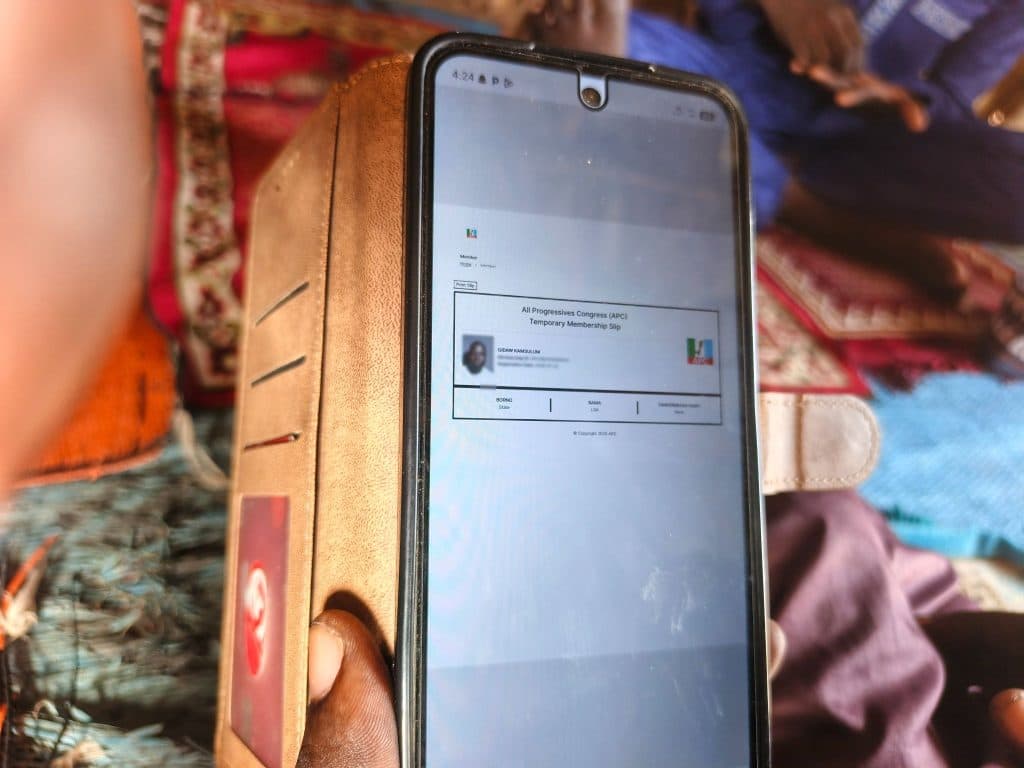
Gadaw also claimed that displaced residents were recently told they would need membership cards of the governing party before being allowed to vote, saying he paid ₦5,000 to obtain one after his thumbprint was captured. HumAngle could not independently verify the claim or establish who issued the instruction.
Rather than requiring displaced people to return to insecure communities, Gadaw believes electoral officials should establish polling units within displacement communities such as Shuwari.
“When it is time to vote, everyone travels back to their respective communities,” he said. “These places are not safe. They have the equipment. The computers. They should allow us to vote here.”
If Gadaw still sees voting as a difficult duty, 29-year-old Muhammad Sa’id has reached a different conclusion. Displaced from Malum Maja in Dikwa Local Government Area in 2015, Muhammad spent five years at Gidan Taki before relocating to Shuwari. He remembers voting only once.
“I stopped voting after 2015,” he said. “That was the first and the last time.”
After losing his voter’s card, he made no effort to replace it. “I only keep my National Identity Card,” he said. “That one is necessary because you have to show it at military checkpoints and borders.”
Muhammad said his issue is no longer voter registration or access to polling units. It is trust. “I no longer believe in elections,” he said. “My faith died after 2015, after Buhari disappointed us.”
He says years of displacement, continued insecurity, and repeated campaign promises that never materialised have convinced him that elections offer little prospect of meaningful change. “The politicians rarely come back after the elections,” he said.
Instead, Muhammad now believes Nigeria should look beyond electoral politics altogether. “They should hand over to the soldiers,” he said, referring to the military-led governments that have emerged in neighbouring Burkina Faso, Mali, and Niger following coups in recent years. “They are the only people that would change our current situation.”
He argued that younger military officers, rather than senior commanders whom he believes have become too close to politicians, would be better placed to confront the country’s security crisis.
His opinion reflects a growing scepticism towards democratic governance among some young people in conflict-affected communities, as prolonged insecurity and repeated displacement reshape expectations of what leadership should deliver. While some displaced persons interviewed by HumAngle still expressed a desire to vote, Muhammad’s view, experts say, illustrates another consequence of years of conflict: not just barriers to participating in elections, but diminishing faith that elections themselves can bring meaningful change.
“The desire for military takeover is an indication of bad governance, and this sentiment is not limited to displacement camps because if you are to get the opinion of the ordinary majority, they will have such views too. You can’t blame them because they are disappointed with the performance of governance under the democratic system and they are disappointed with the performance of the leadership in the country,” Professor Kamilu Sani Fagge of the Department of Political Science, Bayero University, Kano, said.
‘Voting is a right’
Prof. Kamilu said that voting is a fundamental right of citizens, not a privilege bestowed by the government. For him, the direct or indirect exclusion of IDPs from elections is a direct violation of this constitutional right. “In a democracy, power resides with the people, so it is their right to vote. It is their right to elect leaders whom they feel will lead them,” he said. “The Nigerian constitution guarantees adequate representation for all citizens, yet displaced persons often find themselves unable to exercise their franchise.”
The political scientist argues that mechanisms should be in place to ensure IDPs can vote, just as CVR should allow young people who turn 18 before elections to participate. “I don’t think it is a favour that the government is doing to anybody to say that they registered them,” he said, stressing that registration is a constitutional obligation.
In 2018, INEC published ‘Regulations for IDP voting’. The four-page document emphasised voter registration, education, and participation to ensure that displaced citizens are not disenfranchised. According to the regulation, “INEC offices are to undertake continuous voter registration to cover IDPs at their location […] Arrangements for distribution and collection of PVCs at the IDP camps […] shall be by the state office.” The reality on the ground, as HumAngle observed, says otherwise.
The regulation also mandates INEC to establish special IDP voting centres in registered camps, where voting is conducted exclusively with PVCs and authenticated through smart card readers. It also mandates adequate voter education. Despite these clear stipulations, INEC is yet to sufficiently uphold them in practice.
Joash Amupitan, INEC chairperson, in a recent address to the Inspector General of Police, said, “As the electoral body, we are doing everything to ensure that all those in IDP camps are given the conducive environment to exercise their franchise, and also the people with disabilities. Therefore, we commend all these people, categories of persons, persons in IDP camps, as well as persons with disabilities to the IG for special attention and care.” This appeal is also yet to materialise.
HumAngle contacted INEC for comment on the experiences documented across Adamawa, Borno, and Katsina states, including why registration exercises in some displacement camps were left incomplete and what measures are being taken to ensure eligible internally displaced persons can vote in 2027. Despite several attempts to reach the commission, no response was received by the time of publication.
“The only guarantee to the stability of a democratic system is good governance,” Prof. Kamilu said. “Without it, citizens lose faith in democracy, leaving the system vulnerable, and there is no way, no solution for political stability other than good governance.”
Support Our Journalism
There are millions of ordinary people affected by conflict in Africa whose stories are missing in the mainstream media. HumAngle is determined to tell those challenging and under-reported stories, hoping that the people impacted by these conflicts will find the safety and security they deserve.
To ensure that we continue to provide public service coverage, we have a small favour to ask you. We want you to be part of our journalistic endeavour by contributing a token to us.
Your donation will further promote a robust, free, and independent media.
Comments
0 comments
No comments yet.
Sign in to join the discussion.
Of course, we want our exclusive stories to reach as many people as possible and would appreciate it if you republish them. We only ask that you properly attribute to HumAngle, generally including the author's name, a link to the publication and a line of acknowledgement.