Nigerian Refugees in Cameroon Repatriated Years After Boko Haram Displacement
Established in 2013, the Minawao camp is located approximately 70 kilometres from the Nigerian border and was originally intended as a temporary solution for those fleeing the attacks and atrocities committed by Boko Haram.
Listen to this story

28 Jan 2026
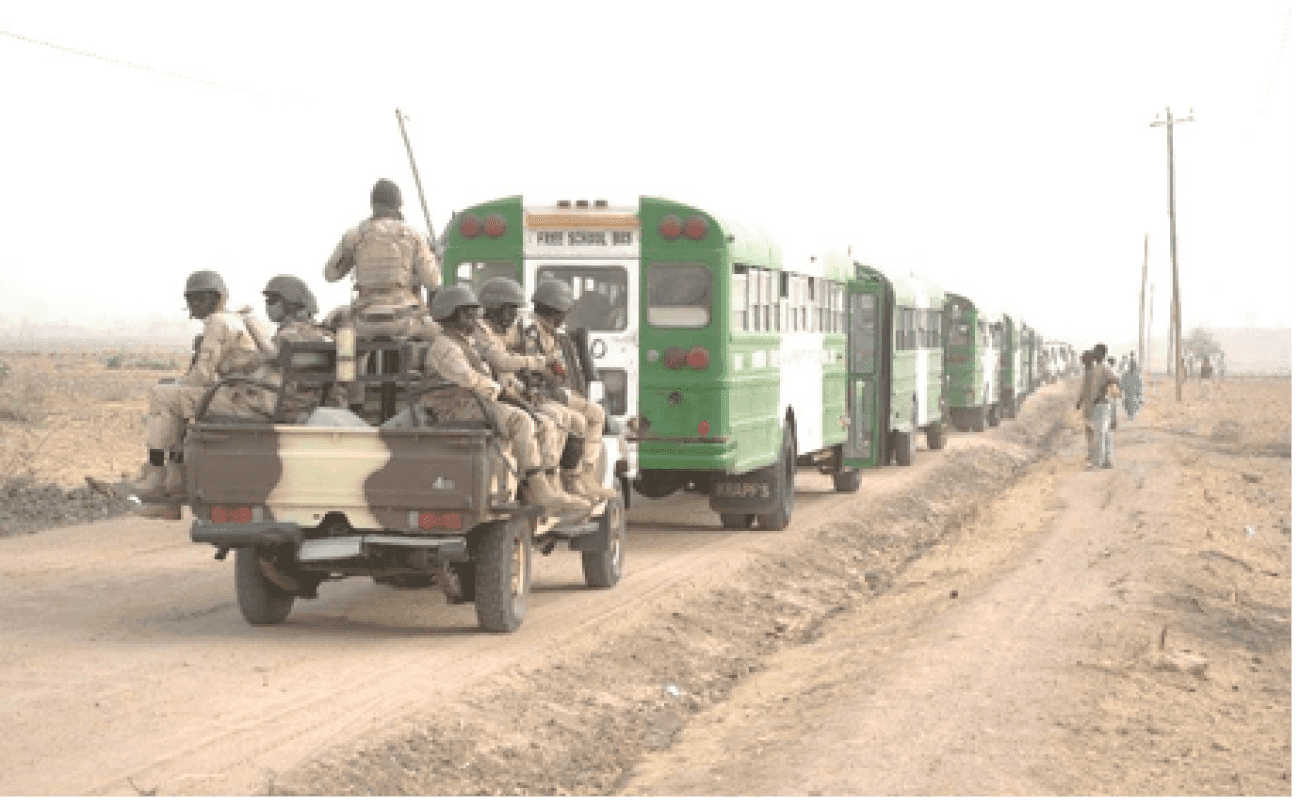
At least 297 Nigerian refugees have voluntarily left the Minawao refugee camp in Cameroon’s Far North region to return to their home country. On Jan. 27, they were transported in five buses, as part of an ongoing scheme to repatriate a total of 3,122 refugees from the camp.
The first batch of the refugees, comprising 75 households, returned to Gwoza Local Government Area in Borno State, northeasternNigeria, officially launching the fourth phase of the repatriation exercise. This comes in light of the Borno State Governor Babagana Zulum’s visit to the refugee camp in Cameroon on December 8, 2025. During this visit, he highlighted his administration’s dedication to ensuring a voluntary, safe, and dignified return for displaced persons.
The departure ceremony was attended by officials from Cameroon and Nigeria, as well as humanitarian partners from the United Nations High Commissioner for Refugees. Midjiyawa Bakari, the governor of the Far North region, praised the collaboration between the two countries and international organisations. He expressed hope for a successful reintegration of the repatriated individuals.
“This homecoming is a testament to our collective resolve. We are not merely relocating people; we are restoring lives and rekindling hope within our communities,” Lawan Abba Wakilbe, the Chairperson of the Borno State Sub-Committee on Repatriation, said.
The number of refugees in the Minawao camp in Cameroon has recently surpassed70,000, raising a significant concern for humanitarian organisations operating in Cameroon’s Far North region. Established in 2013, the Minawao camp is located approximately 70 kilometres from the Nigerian border and was originally intended as a temporary solution for those fleeing the attacks and atrocities committed by Boko Haram.
The camp continues to operate today. However, it currently accommodates more people than it was designed for, according to local sources. Humanitarian organisations in Cameroon and Nigeria have reported that the large refugee population in the camps is straining available resources and making it difficult to meet refugees’ essential needs, such as food, education, and medical care.
Support Our Journalism
There are millions of ordinary people affected by conflict in Africa whose stories are missing in the mainstream media. HumAngle is determined to tell those challenging and under-reported stories, hoping that the people impacted by these conflicts will find the safety and security they deserve.
To ensure that we continue to provide public service coverage, we have a small favour to ask you. We want you to be part of our journalistic endeavour by contributing a token to us.
Your donation will further promote a robust, free, and independent media.
Comments
0 comments
No comments yet.
Sign in to join the discussion.
Of course, we want our exclusive stories to reach as many people as possible and would appreciate it if you republish them. We only ask that you properly attribute to HumAngle, generally including the author's name, a link to the publication and a line of acknowledgement.